Why Does Your Jaw Hurt in the Morning?
September 21, 2026
Today’s Dentures and Partials Are Better Than You Remember
By Dr. Joshua Parry, DMD
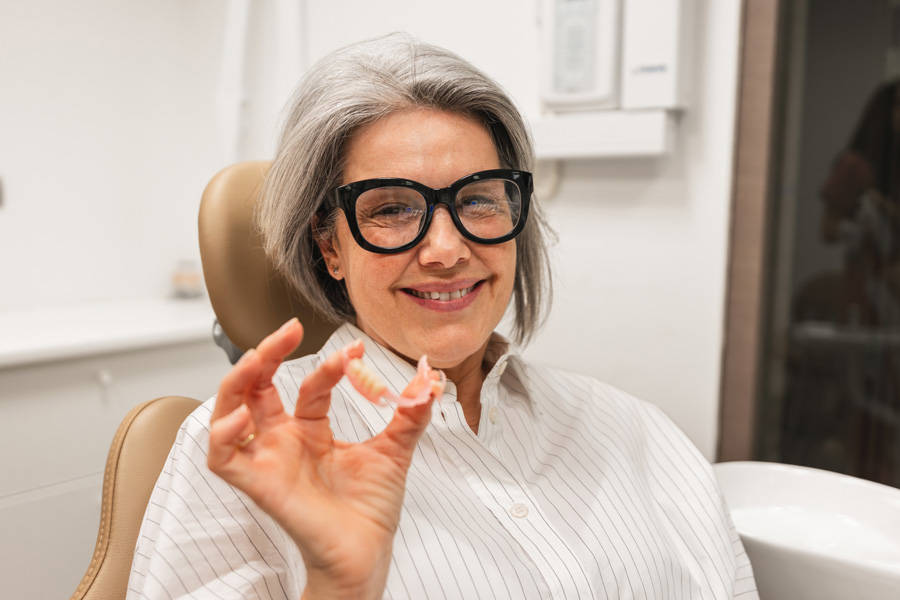
Do you find yourself chewing on one side? Giving up on a good steak or that delicious corn on the cob? Keeping your lips tight for every picture and covering your mouth when you laugh? If missing teeth have held you back from the way you want to live your life, today’s dentures and partials can help. In fact, they are far better than the ones you may remember.
Maybe you watched a parent struggle with a loose plate that clicked when they talked and spent every night in a glass by the sink. It is no wonder you have put this off. But your choices are wider than you might think, and you are in the right place to sort them out. Here is how dentures and partials work, what to expect, and how to decide what fits your life and your budget.
What are dentures and partials?
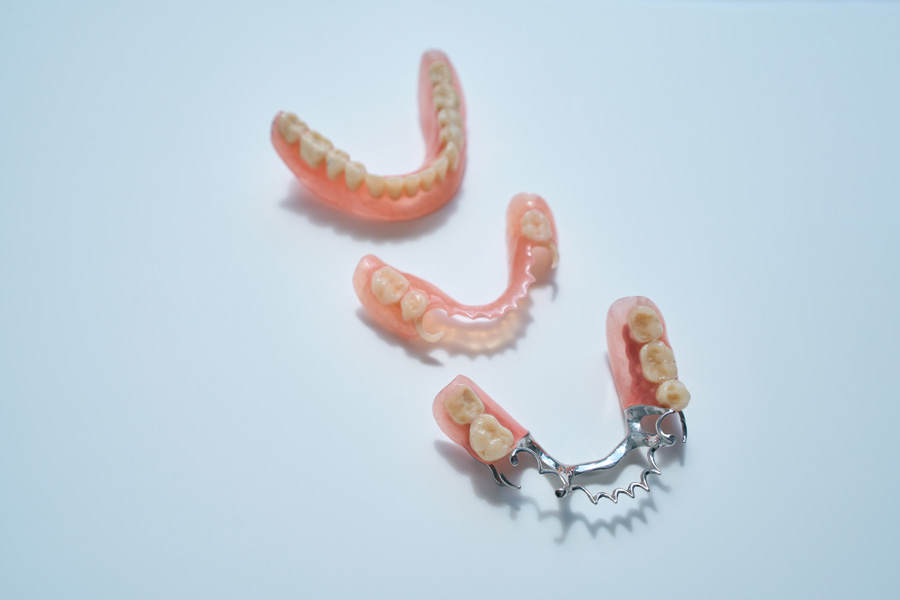
Dentures and partials are removable replacements for missing teeth, custom made to fit your mouth. A full denture replaces every tooth in the upper or lower jaw. A partial denture fills the gaps when some healthy natural teeth remain, attaching to those teeth with small clasps or more discreet connectors to hold it steady.
Both are built from impressions of your mouth, so the fit belongs to you alone. The American Dental Association explains that partials can use metal clasps or, in some cases, precision attachments that are less visible. If you still have healthy teeth, a partial keeps them working for you.
How do partial dentures help when you are missing teeth?
Partial dentures restore what missing teeth take away: the ability to chew a full range of foods, speak clearly, and smile without hesitation. They also fill the empty spaces so your remaining teeth are less likely to drift, tilt, or take on extra wear, which helps protect the natural teeth you still have.
Here is what that looks like day to day:
- Eating: Chewing on both sides again means more variety on your plate. The Cleveland Clinic notes that better chewing can also support better nutrition.
- Speaking: Gaps can change how certain words sound, and a well-fitted denture can help you speak more clearly.
- Appearance: A fuller, natural-looking smile is one of the main benefits the Cleveland Clinic lists for dentures.
- Protecting your other teeth: Dentists at UAB School of Dentistry point out that missing teeth can lead to shifting teeth and changes in your bite. A partial holds that space.
Are today’s dentures different from the ones my parents wore?
Yes. Today’s dentures and partials are custom designed from detailed impressions, finished to look natural, and adjusted over several visits until they fit comfortably. Partials can use less visible connectors, and for people who want extra stability, implant-supported dentures use dental implants to hold a denture firmly in place while still letting you remove it for cleaning.
The process is careful by design. It starts with an exam of your gums, jaw, and remaining teeth, along with X-rays and impressions. As the Cleveland Clinic describes, a dental lab uses those impressions to build your denture. Then your dentist fits it, checks for pressure points, and fine-tunes it, which often takes a few visits.
What is it like to get used to new dentures?
Expect an adjustment period. A new denture or partial can feel bulky at first, and speaking and chewing take some practice. Most people settle in over a few weeks, though for some it takes longer. Sore spots are normal early on and are usually fixed with a quick adjustment, so there is no need to tough them out.
A few tips from the American Dental Association make the first weeks easier:
- Start with soft foods cut into small pieces, and chew on both sides.
- Read out loud to practice words that feel awkward.
- Guide a partial into place with your fingers. Never bite it into position, which can bend the clasps.
With good care, the average denture lasts seven to 10 years. A reline every one to two years keeps the fit snug as your gums and jaw naturally change.
Dentures, partials, bridges, or implants: which is right for me?
The right choice depends on how many teeth you are missing, where they are, the health of your remaining teeth and gums, and your budget. Partials suit several missing teeth when healthy teeth remain. Bridges suit one to three missing teeth in a row. Implants cost more but work most like natural teeth.
| Option | Often a good fit when | Removable? |
|---|---|---|
| Partial denture | Several teeth are missing and healthy teeth remain | Yes |
| Full denture | All teeth in the upper or lower jaw are missing or can’t be saved | Yes |
| Bridge | One to three teeth are missing in a row | No |
| Implant crowns or bridges | You want the most stable, long-term replacement | No |
Some people combine approaches, such as a bridge on one side and a partial on the other. And if gum disease played a part in losing teeth, treating it first protects the teeth you are keeping.
Mary H., a patient at our practice, shared: “The dentists provided a thorough exam, explained the best options for my oral care, and worked with me to schedule procedures according to my timeline and budget.”
Why choose Modern Dental Associates for dentures and partials?
Modern Dental Associates provides dentures and partials alongside extractions, periodontal therapy, crowns, bridges, and dental implants. That means we can lay out every option side by side and carry out your plan in one familiar place. Your first visit is a conversation about choices, not a commitment to a procedure.
Dr. Joshua Parry, DMD, and our team care for families across Western Pennsylvania from offices in Greensburg, Scottdale, and Homer City. If teeth need to come out before your denture is made, extractions are handled in our offices. If nerves have kept you away, sedation dentistry options, including nitrous oxide, can make the visit easier than you are picturing.
Shawn Anthony, a patient at our practice, shared: “Needed a tooth pulled because it was broken beyond repair. Dr Wagler did an amazing job. She made sure I was comfortable and made the extraction quick, easy and painless.”
Frequently Asked Questions About Dentures and Partials
Q: Should I sleep with my dentures in?
A: Most people take them out at night. Giving your gums at least eight hours a day without them lets the tissue rest and helps reduce bacteria.
Q: Can I clean my dentures with toothpaste?
A: No. Toothpaste can be too harsh. Use a denture cleanser or mild soap and a soft brush, and keep dentures moist overnight so they hold their shape.
Q: What if my denture cracks or a tooth comes loose?
A: Call us. Skip the do-it-yourself repair kits and store-bought glues, which can damage the denture beyond repair.
Q: Do I still need dental checkups if I wear dentures?
A: Yes. Your gums and jaw change over time, which affects fit. Regular visits also include an oral cancer screening and care for any natural teeth you still have.
Ready to Eat, Speak, and Smile With Confidence Again?
You don't have to decide anything today. A consultation is simply a chance for us to look, answer your questions, and walk through dentures, partials, bridges, and implants in plain language, including what fits your budget.
To Schedule Your Consultation
Visit our Request an Appointment page.
Or please call:
- Greensburg Office: 724-836-3368
- Scottdale Office: 724-887-7860
- Homer City Office: 724-349-3368
The sooner we talk, the sooner you can get back to the foods you love.