Cracked, Worn, or Missing a Tooth?
July 28, 2026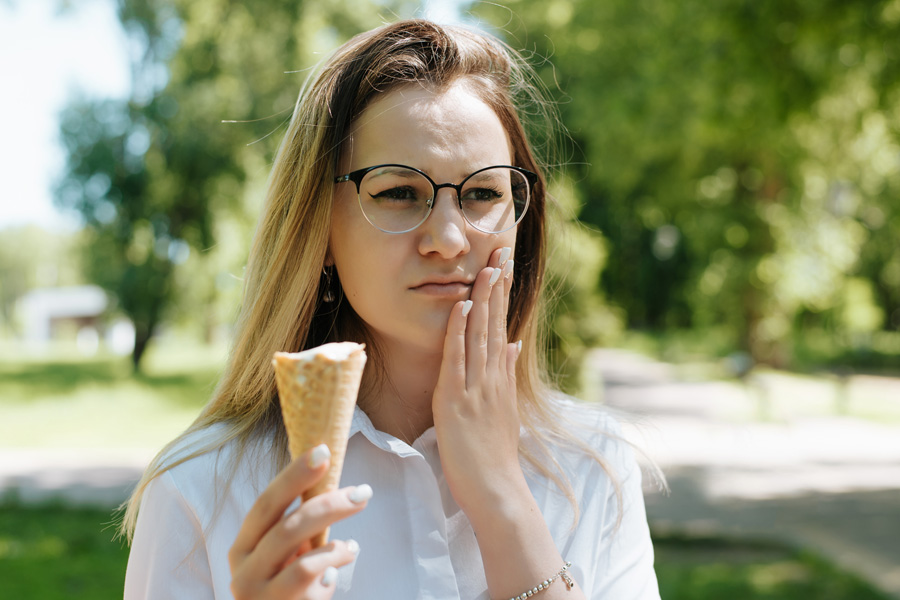
And When It Is Worth Worrying About
By Dr. Joshua Parry, DMD
How many cookouts and picnics have you been to this summer? Did this happen: you took a long drink of iced tea and a sharp jolt shot through one tooth. It went away quickly. But that ice cream cone, it took a few minutes for that cold twinge to calm down. Now, you’re worrying about it.
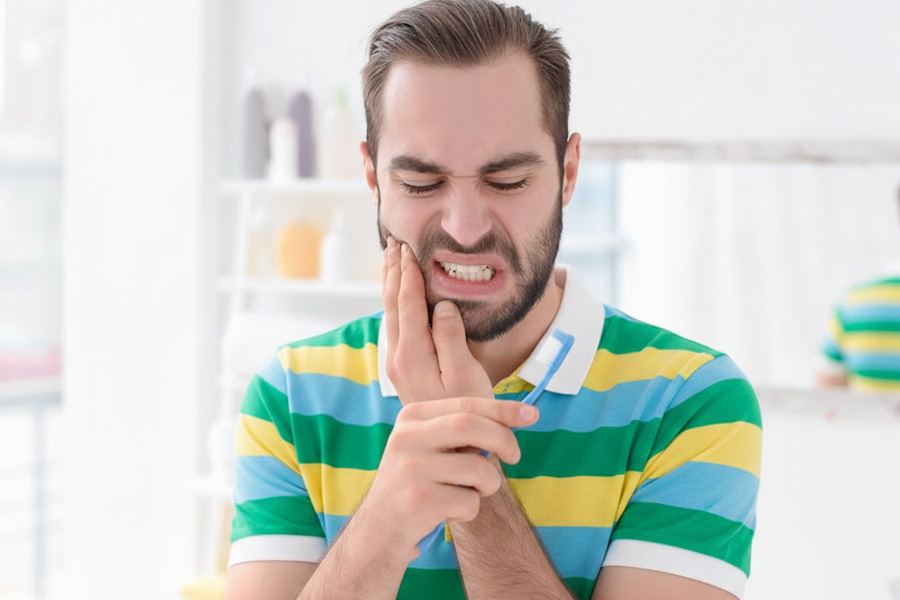
If that sounds familiar, you are in the right place. Sensitive teeth are one of the most common complaints we hear, and the cause isn’t a big mystery. Here is what that twinge means, and when it is worth an appointment.
Why do my teeth hurt when I drink something cold?
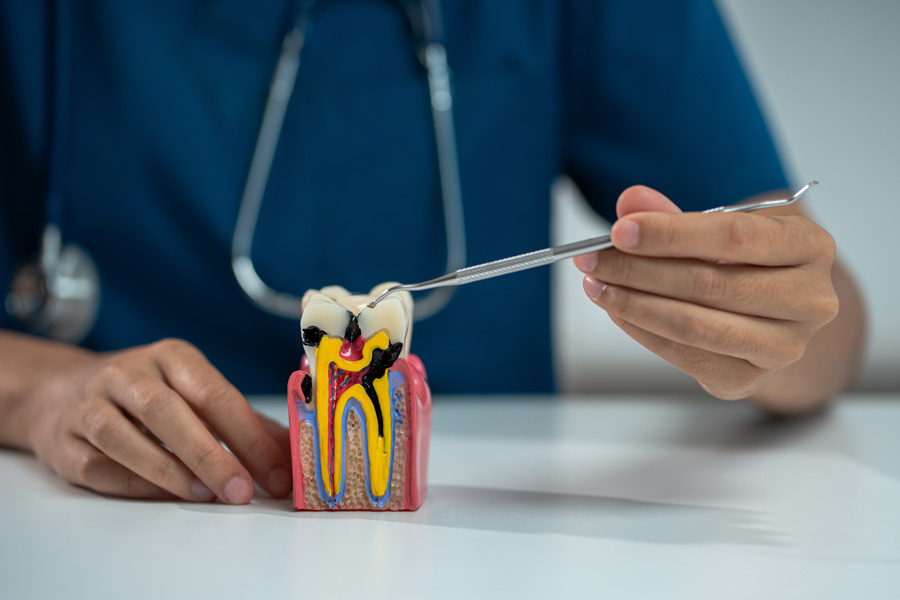
Under your enamel is a softer layer of material called dentin, and it’s filled with microscopic channels that run straight to the nerve at the center of the tooth.
When your enamel wears thin over time, or your gums pull back with age, that dentin is exposed. Cold, sweetness, even a rush of air can travel down those channels and reach the nerve. The result is the sharp pain you felt, which usually fades within seconds. The American Dental Association just calls it heat and cold sensitivity.
What causes tooth sensitivity?
Sensitivity is a symptom, not a diagnosis. So, the right fix you need depends on what is actually happening. The Cleveland Clinic gives us a long list of possible causes.
- Enamel worn thin by acidic foods and drinks: citrus, soda, wine, tea
- Brushing too hard, which wears enamel and pushes gums back
- Recent whitening or a recent dental procedure
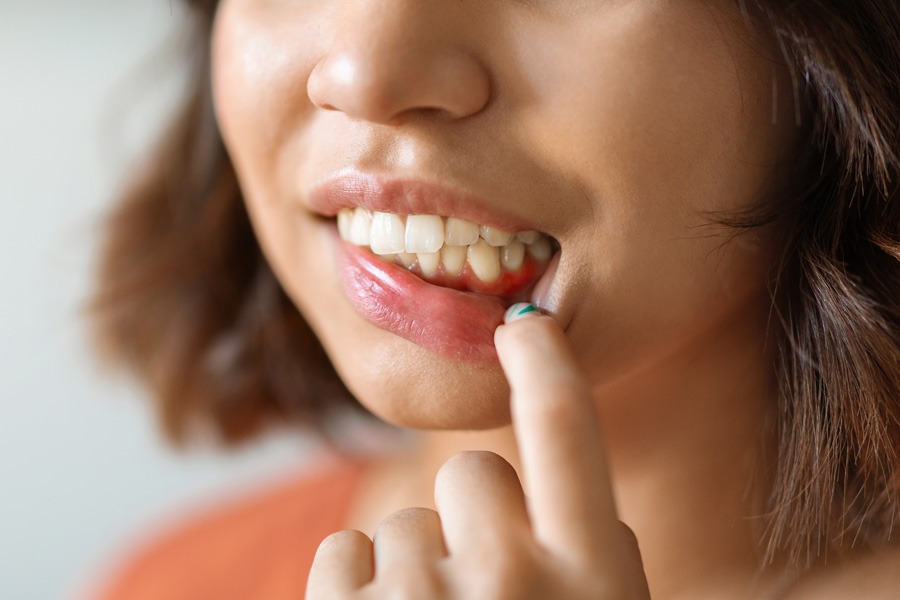
- Receding gums that expose the root, often tied to gum disease
- Grinding or clenching, which thins enamel over time
- A cracked tooth or a leaking filling, which may need a crown
- A cavity working its way toward the nerve
The first few are gradual and manageable. As the list goes on, there are some real problems to deal with, and the conditions can get worse and expensive to deal with, especially if you wait too long.
How can you tell a twinge from a real problem?
Pain that stops within seconds of the cold leaving your mouth is usually ordinary sensitivity. Pain that lingers, throbs, or builds suggests the nerve may be involved. Here are three things to pay attention to:
- Several teeth or one tooth. Widespread sensitivity points to worn enamel or receding gums. One tooth points to something local: a crack, a failing filling, or decay.
- Cold only, or pain when you bite. Pain on biting suggests a crack rather than simple sensitivity.
- Brief or lingering. Pain that outlasts the trigger by 30 seconds deserves a prompt look.
Call right away for pain that wakes you at night, throbbing, swelling, or a bad taste near the tooth. Those cross into dental emergency territory.
Amy Hutchinson, a patient at our practice, shared: “I love this place! They are the friendliest dental staff you will ever meet. They are also wonderful dentists who care and do superior work. So gentle, yet so effective.”
Is it normal for teeth to be sensitive after whitening or a cleaning?
Yes, and usually temporary. Whitening, a deep cleaning, or a new filling can leave a tooth reactive to cold for a few days up to a couple of weeks. If it is getting worse instead of better, or still there a month later, call us. Temporary discomfort is normal, ongoing pain needs attention.
What can you do at home in the meantime?
None of this replaces an exam, but it can take the edge off while you wait:
- Switch to a desensitizing toothpaste, twice daily. Give it a few weeks; these work gradually.
- Use a soft-bristled brush and ease up on the pressure.
- Wait about 30 minutes after acidic foods before brushing, since enamel is softened afterward.
- Hold off on whitening products until you know what is causing the sensitivity.
How do we find the cause, and what actually fixes it?
The appointment is diagnostic, not a sales pitch. We ask when the pain happens, examine the tooth and gumline, take digital X-rays, and gently test individual teeth to isolate the source.
Treatments follow a better understanding of what’s happening in your case.
- Exposed dentin: a professional fluoride or desensitizing treatment
- Decay or a worn notch at the gumline: a filling or bonding
- A cracked or heavily worn tooth: a ceramic crown
- Gum disease and recession: periodontal therapy
- Grinding: a custom night guard
- Nerve involvement: root canal therapy, far more comfortable than its reputation
All of these are handled in our offices. Where receding gums need surgical grafting, we evaluate it here and coordinate your care with a trusted specialist.
Why choose Modern Dental Associates?
If it has been years since your last visit, you would not be the first, and no one here will lecture you. For patients whose nerves have kept them away, our sedation dentistry options, including nitrous oxide, make the visit easier than you are picturing.
Dr. Joshua Parry, DMD, and our team care for families across Western Pennsylvania from offices in Greensburg, Scottdale, and Homer City. Because we provide family dentistry from preventive care through periodontal therapy, fillings, crowns, and root canals under one roof, the practice that finds the cause is usually the one that treats it.
Rebecca Bamford, a patient at our practice, shared: “I truly hate to go to the dentist. So much so I avoided it for years but when I finally decided I needed to go I'm glad I went here. The staff and Dr. Parry are great. Explains everything very well and all your options are laid out.”
Ready to Find Out What Is Causing It?
A twinge from a cold drink is your tooth telling you something. Most of the time the fix is small, but the only way to know is to look. We would be glad to find the cause and explain your options in plain language.
To Schedule Your Exam
Visit our Request an Appointment page.
Or please call:
- Greensburg Office: 724-836-3368
- Scottdale Office: 724-887-7860
- Homer City Office: 724-349-3368
The sooner we take a look, the simpler the fix is likely to be.