The Truth About Root Canals
January 27, 2026
Tired of Hiding Your Smile?
March 20, 2026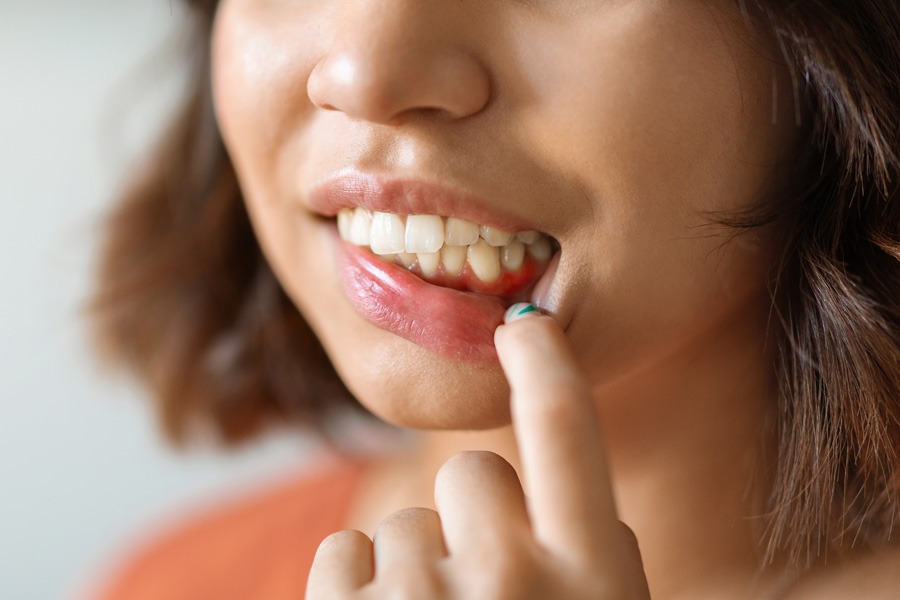
Gum Disease: The Silent Threat to Your Smile
(And Your Health)
By Dr. Joshua Parry, DMD
Have you noticed a little blood on your toothbrush after brushing? Does using dental floss make your gums bleed? Maybe when you smile in the mirror your gums look a little redder than usual.
If it doesn’t hurt, it can’t be bad, can it? If that’s what you think, you’re not alone, but the reality is a little different.
Gum disease, also called periodontal disease, is one of the most common health conditions in the United States. According to the Centers for Disease Control, more than 42% of adults over 30 have some form of it. Yet most people don’t know they have it until real damage has already been done.
If you’ve noticed bleeding gums, persistent bad breath, or teeth that feel a bit loose, you’re in the right place. At Modern Dental Associates, we help Western Pennsylvania patients catch gum disease early and treat it effectively. We’ll walk you through what gum disease is, why it matters to your total health, and what to do about it.
What Is Gum Disease?
Gum disease is an infection of the tissues that support your teeth. It starts when plaque (a film of bacteria) builds up along and beneath your gumline. When daily brushing doesn’t get rid of all or enough of the plaque, it changes into tartar (a hard, mineralized coating), that is removed by your dental hygienist during cleaning visits.
While plaque and tartar are normal and brushing, flossing, and dental cleaning help, what happens when the build up of plaque leads to disease?
Gingivitis is the early stage. Your gums may be red, swollen, or bleed easily when you brush or floss. Gingivitis is reversible with professional cleaning and improved home care. At this stage, no permanent damage has occurred.
Periodontitis is the advanced stage. If gingivitis goes untreated, it can progress to periodontitis. At this point, the gums begin to pull away from the teeth, forming pockets that collect bacteria. The infection destroys bone and connective tissue. Without treatment, teeth can loosen and may need to be removed.
Between the two, there is a very important difference. Gingivitis can be reversed. Periodontitis can only be managed, not cured.
That’s why early detection matters so much.
What Are the Warning Signs of Gum Disease?
Gum disease earned its reputation as a “silent threat” because early symptoms are easy to overlook. Many patients feel no pain until the disease has progressed significantly. Watch for these warning signs:
- Bleeding gums when brushing or flossing
- Red, swollen, or tender gums
- Persistent bad breath that doesn’t go away with brushing
- Gums pulling away from your teeth (recession)
- Loose or shifting teeth
- Changes in your bite or how your teeth fit together
- Pain when chewing
- Increased tooth sensitivity
If any of these sound familiar, don’t wait. Early treatment is simpler, less costly, and far more effective than waiting until the disease gets worse.
How Does Gum Disease Affect Your Overall Health?
We didn’t always know the connection, but modern medicine and dentistry now understand that periodontal disease is linked to a number of serious health conditions throughout your body.
Heart Disease and Stroke
People with gum disease face two to three times the risk of heart attack and stroke compared to those with healthy gums. The bacteria from infected gums can enter your bloodstream and contribute to inflammation in your arteries. Over time, this inflammation promotes plaque buildup in blood vessels, increasing the risk of cardiovascular events. The American Heart Association has acknowledged the association between periodontal disease and heart disease.
Diabetes
The relationship between gum disease and diabetes works both ways. People with diabetes are about 24% more likely to develop periodontitis. At the same time, people with periodontitis face a 26% higher risk of developing diabetes. The chronic inflammation from gum disease can affect your body’s ability to regulate blood sugar. Research, including studies published in Scientific Reports (a Nature portfolio journal), shows that treating gum disease may actually help improve blood sugar control in diabetic patients.
Pregnancy Complications
Pregnant women with gum disease may face increased risk of preterm birth and low birth weight. Hormonal changes during pregnancy can make gums more vulnerable to infection. According to the CDC Oral Health website, between 60% and 75% of pregnant women experience pregnancy gingivitis. That’s why dental checkups during pregnancy are so important for both mom and baby.
Cognitive Decline
Emerging research has found periodontal bacteria in the brains of Alzheimer’s patients. While scientists are still studying the exact relationship, systematic reviews suggest a meaningful association between chronic gum disease and cognitive decline. Taking care of your gums may be one more way to protect your brain health as you age.
Who Is Most at Risk for Gum Disease?
While anyone can develop gum disease, here are the things that raise your risk significantly:
- Smoking and tobacco use: Smokers have a 62% prevalence rate, the single highest risk factor
- Diabetes: Nearly 60% of diabetics have some form of gum disease
- Age: About 60% of adults 65 and older are affected
- Genetics: Family history can increase your susceptibility
- Hormonal changes: Pregnancy, menopause, and puberty can affect gum health
- Medications: Some drugs reduce saliva flow, leaving gums more vulnerable
- Skipping dental visits: Those without a dental visit in the past year have a 55% prevalence rate
- Poor nutrition: A diet lacking essential nutrients weakens your immune response
If any of these risk factors apply to you, regular dental checkups become even more critical. The sooner gum disease is caught, the easier it is to manage.
How Can You Prevent Gum Disease?
The good news? Gum disease is largely preventable with consistent daily care and regular professional treatment. Here’s what works:
Daily Home Care
- Brush twice daily for two full minutes using a soft-bristled brush
- Floss every day. This removes plaque from between teeth where your brush can’t reach
- Use an antimicrobial mouthwash to reduce bacteria and freshen breath
- Replace your toothbrush every three to four months, or sooner if bristles are frayed
Lifestyle Choices
- Quit smoking. Tobacco is the biggest controllable risk factor for gum disease
- Eat a balanced diet rich in fruits, vegetables, and calcium to support gum health
- Stay hydrated. Water helps rinse away bacteria and supports saliva production
- Manage stress and chronic conditions like diabetes that affect your immune response
Professional Care
- Schedule dental checkups every six months (or more often if recommended)
- Don’t skip professional cleanings. Only a dental professional can remove tartar buildup that causes gum disease
Even people who brush and floss faithfully need professional cleanings. Tartar buildup happens in areas you simply cannot reach at home. As we tell our patients at Modern Dental Associates: good home care and professional care work as a team.
How Does Modern Dental Associates Treat Gum Disease?
If you’re diagnosed with gum disease, the treatment approach depends on how far the disease has progressed. At Modern Dental Associates, we offer a full range of options, all under one roof.
- Professional Cleaning: For gingivitis, a thorough professional cleaning is often all that’s needed. We remove plaque and tartar from above and below your gumline, then work with you on an improved home care routine.
- Scaling and Root Planing: This deeper cleaning treats early to moderate periodontitis. We carefully remove tartar from beneath the gumline and smooth the tooth roots. Smooth roots help your gums reattach to your teeth and reduce pockets where bacteria hide.
- Ongoing Maintenance: After treatment, we may recommend more frequent cleanings, typically every three to four months. This helps prevent the disease from returning and keeps your gums healthy long term.
- Advanced Treatment: For severe cases, additional procedures may be necessary. Our team can evaluate your specific needs and develop a personalized treatment plan. Because we handle everything in-house, you won’t need referrals to multiple specialists.
Why Choose Modern Dental Associates for Gum Disease Treatment?
We understand that many people avoid the dentist, sometimes for years. Maybe life got busy. Maybe you felt embarrassed about the condition of your teeth. Maybe dental anxiety kept you away.
Whatever your reason, we’re here to help without judgment. We see patients every day who haven’t had dental care in years, and our only goal is getting you healthy again.
- Mike Sullivan came to Modern Dental Associates after avoiding the dentist for several years. He shared: “I hadn’t been to the dentist in several years so needless to say I was definitely nervous. Well, that nervous feeling didn’t last long thanks to the friendly and welcoming staff. Everyone I interacted with was pleasant and helpful. The plan moving forward with my teeth was explained to me in an easy to understand way.”
- Rebecca Bamford had a similar experience: “I truly hate to go to the dentist. So much so I avoided it for years but when I finally decided I needed to go I’m glad I went here. The staff and Dr. Parry are great. Explains everything very well and all your options are laid out. Also, I appreciate how they check with you frequently during the procedures to make sure you’re doing ok.”
For patients with dental anxiety, Marissa Williams shared: “I have terrible dental anxiety and they made sure to give me time to breathe when I needed it and talked me through everything. They made me very comfortable.”
With offices in Greensburg, Scottdale, and Homer City, quality gum disease treatment is close to home. You don’t need to drive to downtown Pittsburgh. We accept most insurance plans and offer flexible payment options so cost doesn’t prevent you from getting the care you need.
Frequently Asked Questions About Gum Disease
Q: Can gum disease be cured?
A: Gingivitis, the early stage, is fully reversible with professional treatment and good home care. Periodontitis, the advanced stage, cannot be cured but can be effectively managed to prevent further damage. The key is catching it early.
Q: How do I know if I have gum disease?
A: Bleeding gums, redness, swelling, persistent bad breath, and gum recession are common signs. However, gum disease can progress without noticeable symptoms. That’s why regular dental checkups are essential for early detection.
Q: Does gum disease treatment hurt?
A: Modern treatment techniques are much more comfortable than most patients expect. For deeper cleanings like scaling and root planing, we use local anesthesia to keep you comfortable. We also offer sedation options for patients with dental anxiety.
Q: How often should I see the dentist if I have gum disease?
A: After initial treatment, most patients with a history of gum disease benefit from cleanings every three to four months instead of the standard six months. Your dentist will recommend the schedule that’s right for your situation.
Q: Can gum disease cause other health problems?
A: Yes. Research has linked gum disease to heart disease, stroke, diabetes, pregnancy complications, and cognitive decline. The bacteria and inflammation from periodontal disease can affect your entire body, making treatment important for your overall health.
Q: I haven’t been to the dentist in years. Will you judge me?
A: Never. We see patients every day who haven’t had dental care in a long time. Our only focus is helping you get healthy. There’s no judgment here, just compassionate care and a clear plan forward.
Take the First Step Toward Healthier Gums
Gum disease is common, but it doesn’t have to control your health. Whether you’ve noticed warning signs or simply want to make sure your gums are healthy, a dental checkup is the smartest first step you can take.
At Modern Dental Associates, we’ve helped thousands of Western Pennsylvania patients protect their smiles and their overall health. Our experienced team provides compassionate, comprehensive care designed around your comfort and your goals.
Call Modern Dental Associates today at 724-836-3368 to schedule your checkup. Or request an appointment online at moderndentalpa.com/contact.
Your healthier smile is waiting. Let’s protect it together.